Benefits of Yoga for Seniors
5 Comments

Yoga is a practice that has gained immense popularity over the years, not only among the younger generations but also among seniors. As we age, our bodies undergo various changes that can affect our strength, flexibility, and mental health. Incorporating yoga into your daily routine can provide numerous benefits that can significantly enhance the quality of life for seniors.

One of the primary benefits of yoga is improved flexibility. Many older adults experience stiffness and reduced range of motion due to aging. Yoga poses are designed to stretch and strengthen the muscles, which helps in alleviating stiffness and improving overall flexibility. Regular practice allows seniors to move more freely and engage in daily activities without discomfort.
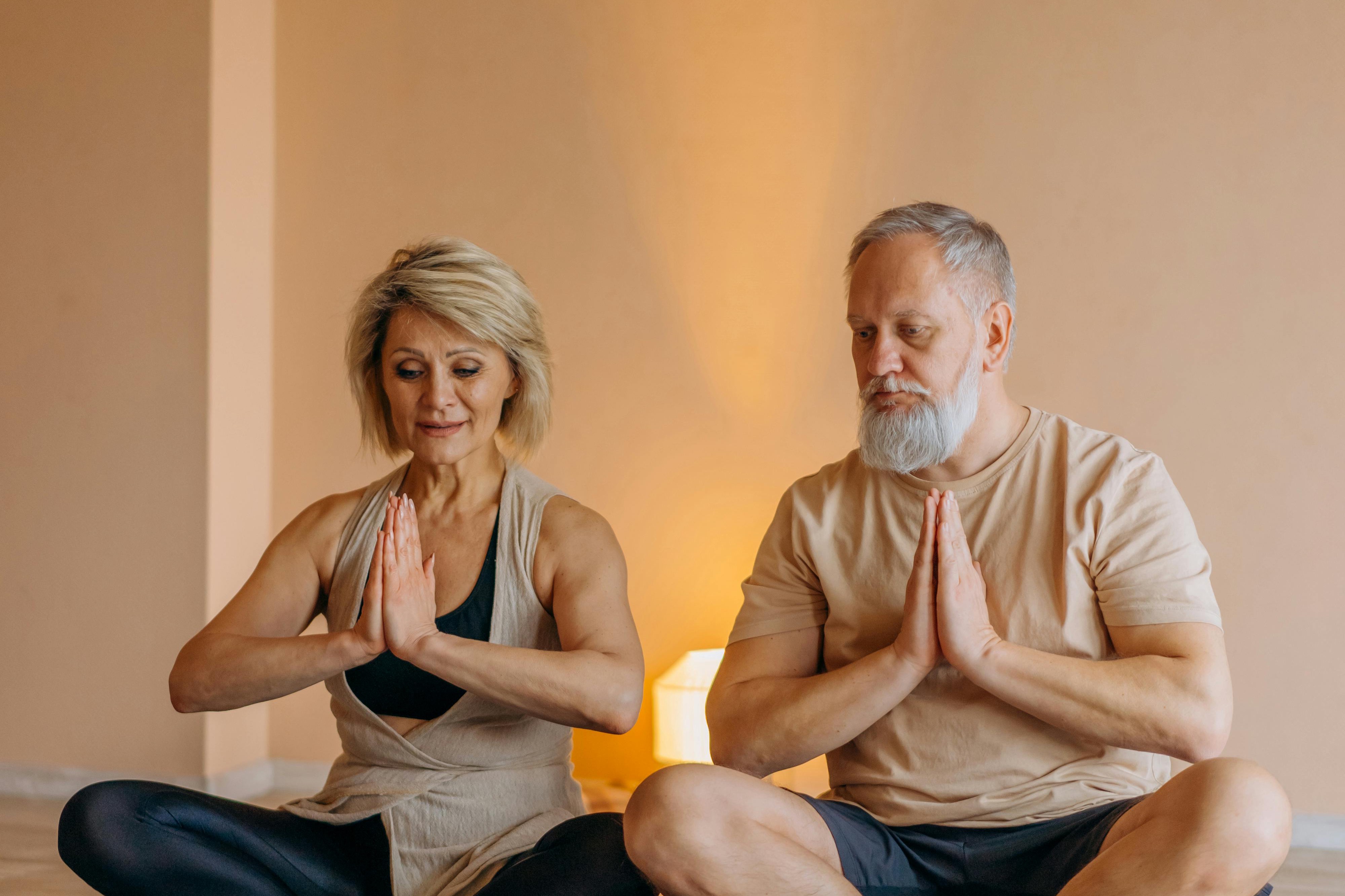
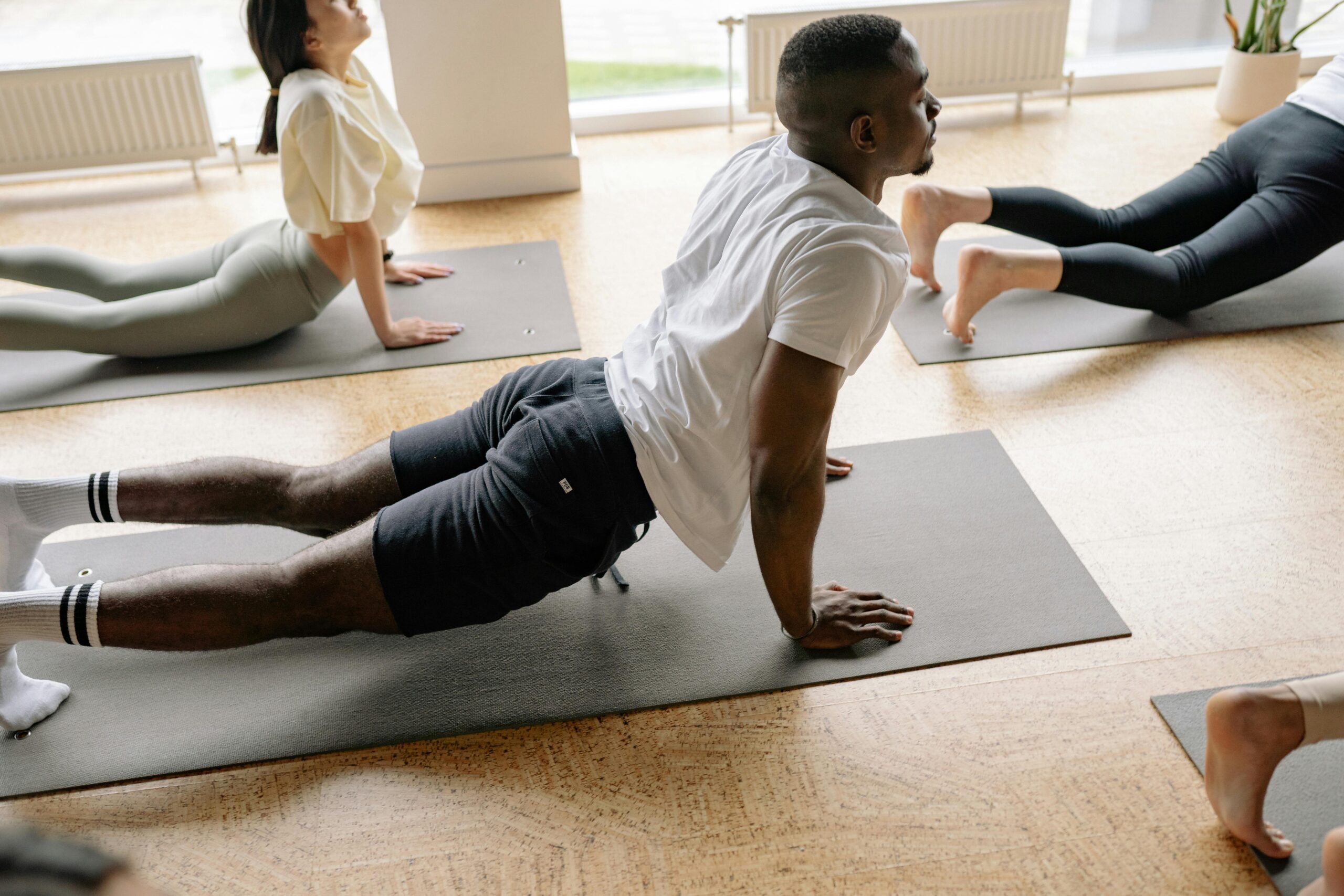
yoga class

In addition to flexibility, yoga is known for enhancing balance. Falls are a common concern for seniors, often leading to serious injuries. Through various yoga poses, individuals can develop better balance and coordination, reducing the risk of falls. This is particularly important as falls can lead to significant health issues that may require long recovery periods.

Mental clarity and stress relief are another set of benefits that yoga offers. The practice encourages mindfulness, helping seniors to focus on their breathing and become more aware of their bodies. This mindfulness can lead to reduced anxiety and stress levels, promoting a sense of peace and clarity. Moreover, studies have shown that regular yoga practice can improve cognitive function, which is crucial for maintaining mental acuity as we age.

Furthermore, yoga can significantly enhance emotional well-being. The combination of physical activity, breathing exercises, and meditation helps in fostering a positive mindset. Seniors who practice yoga often report feeling more energetic, happier, and more connected to their community. This social aspect is particularly important, as engaging with others can combat feelings of isolation or loneliness that many seniors experience.

In conclusion, yoga is a holistic approach that offers a multitude of benefits for seniors. From improved flexibility and balance to enhanced mental clarity and emotional well-being, the advantages of practicing yoga are undeniable. Whether you are a seasoned yogi or a beginner, it’s never too late to start. Consider joining a local yoga class tailored for seniors or exploring online resources to embark on your yoga journey today.
Easy Yoga Poses for Couples

3 Comments

Yoga is not just a solitary activity; it can also be a beautiful way for couples to connect and enhance their wellness together. Practicing yoga as a couple can help improve communication, deepen intimacy, and foster a sense of teamwork. Here are some easy yoga poses that couples can practice together at home, whether you’re seasoned yogis or just starting out.

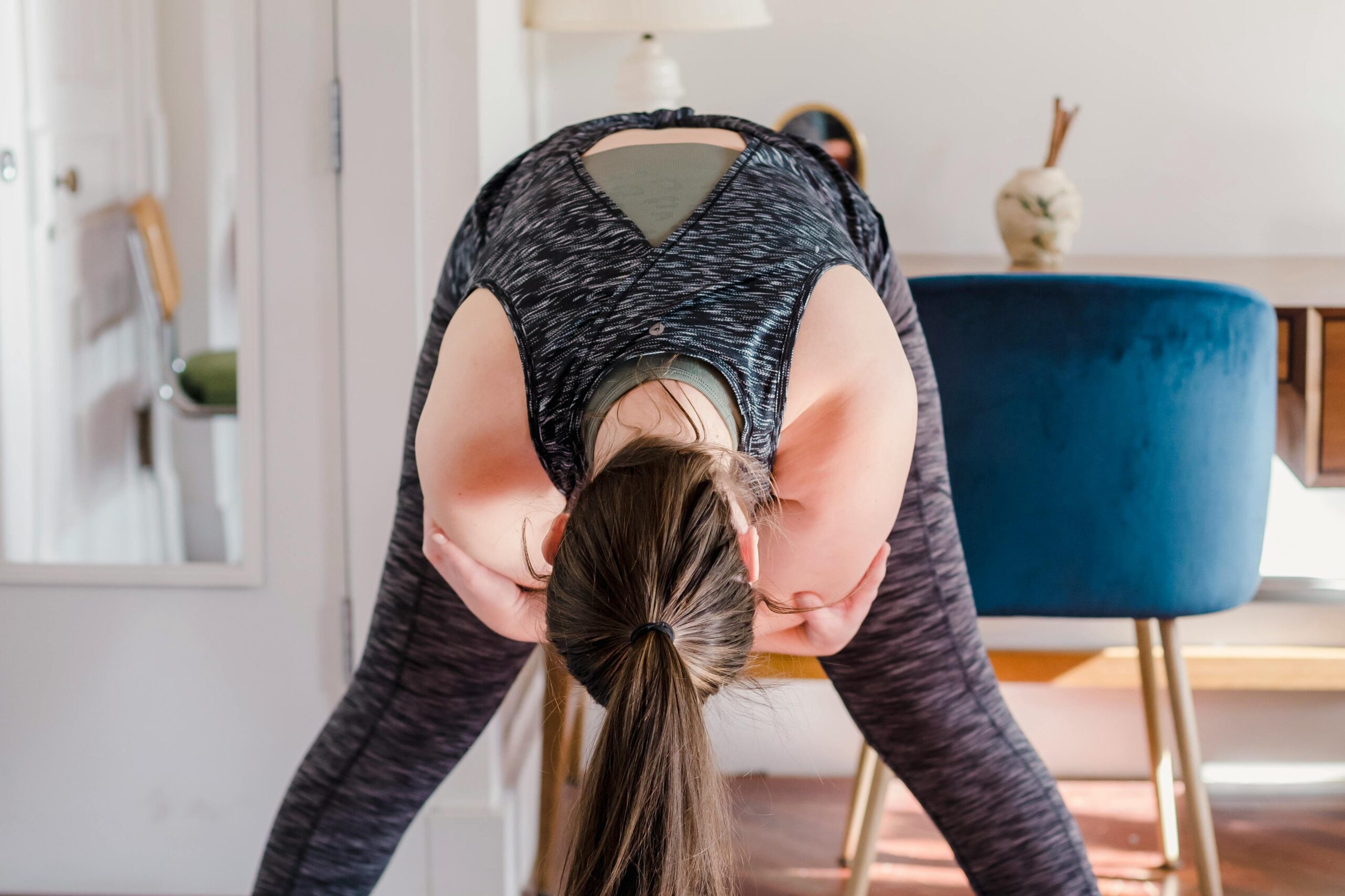
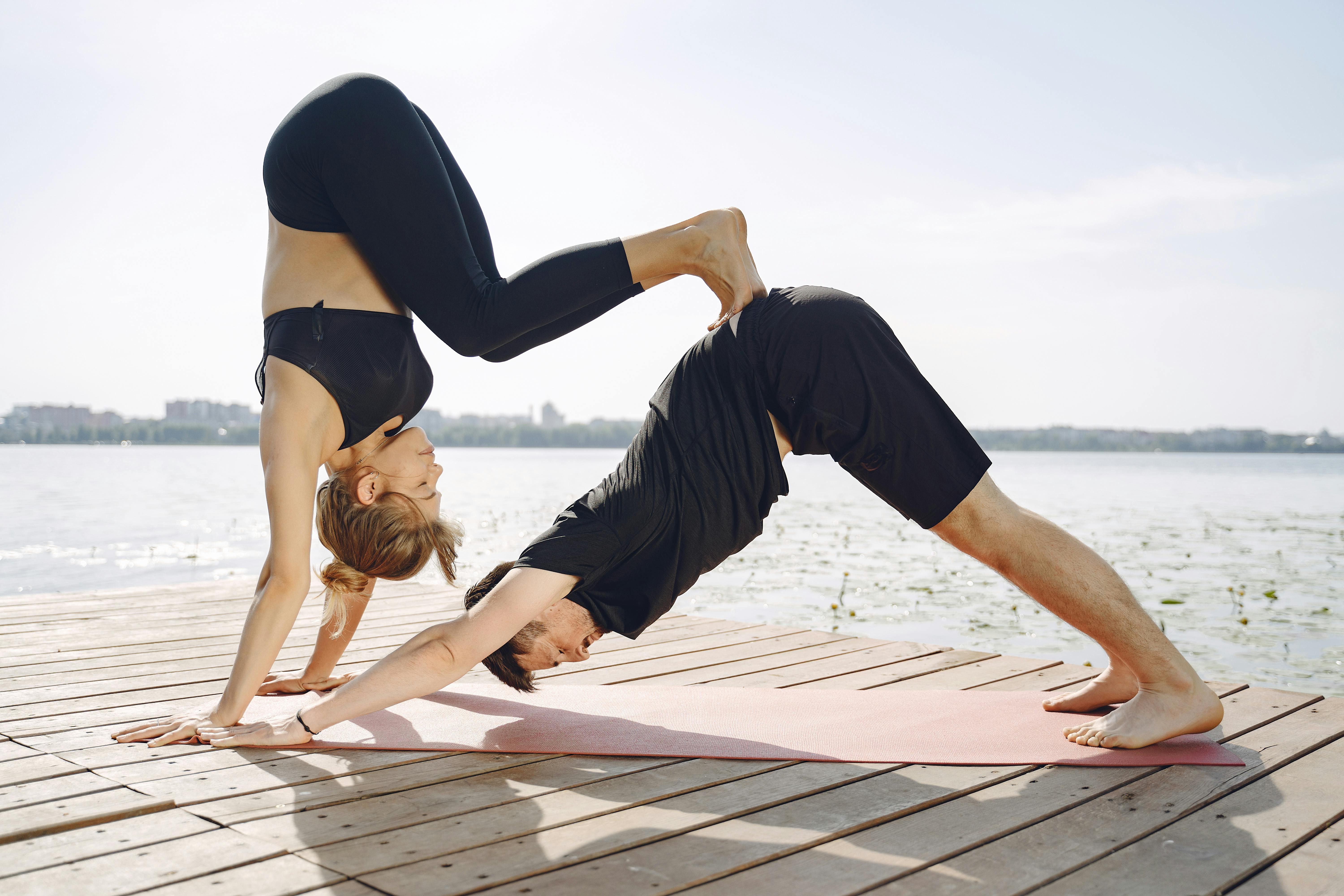
couple yoga

1. Partner Forward Bend

This pose allows both partners to stretch while supporting each other. Stand facing each other with your feet shoulder-width apart. Grab each other’s wrists and slowly bend forward at the hips, keeping your knees slightly bent. Allow your upper bodies to hang and feel the stretch in your backs. Hold for a few breaths before returning to standing.

2. Seated Cat-Cow Stretch

Sit cross-legged facing each other. Inhale, arch your back, and look up (Cow Pose), then exhale, rounding your backs and tucking your chins to your chest (Cat Pose). This flow not only stretches your spine but also allows you to synchronize your breathing, creating a calming experience together.

3. Double Tree Pose

Stand side by side, and each partner raises one leg, placing the foot on the inner thigh of the standing leg. You can hold hands to maintain balance. This pose challenges your stability while promoting teamwork. Try to find a focal point to help you both stay grounded.

4. Back-to-Back Chair Pose

Stand back-to-back with your partner and slowly lower your bodies into a seated position, as if you’re sitting in invisible chairs. Use each other’s backs for support. Hold this pose for several breaths, feeling the strength and support of your partner.

5. Savasana (Corpse Pose)

After all that movement, it’s time to relax. Lie down on your backs next to each other, allowing your bodies to fully relax. Hold hands or place your feet together to maintain the connection. Take deep breaths and enjoy the peaceful moment together.

Remember, the most important aspect of practicing yoga as a couple is to have fun and enjoy each other’s company. It doesn’t matter if you master the poses; what matters is the time spent together nurturing both your bodies and your relationship.

Breathing Techniques for Relaxation

3 Comments

As we age, the importance of managing stress and promoting relaxation becomes increasingly evident. Breathing techniques are a simple yet powerful tool that seniors can use to enhance their mental and physical well-being. These techniques help activate the body’s relaxation response, leading to reduced anxiety, improved mood, and overall better health.

One fundamental technique is the diaphragmatic breathing, also known as abdominal or belly breathing. This method encourages deeper breaths, allowing more oxygen to enter the lungs and promoting relaxation. To practice, find a comfortable seated position or lie down. Place one hand on your chest and the other on your abdomen. Inhale deeply through your nose, ensuring that your abdomen rises while your chest remains still. Exhale slowly through your mouth, feeling your abdomen fall. Repeat this process for several minutes, focusing on the rhythm of your breath.

Another effective technique is the 4-7-8 breathing method. This technique involves inhaling for a count of 4, holding the breath for a count of 7, and then exhaling for a count of 8. It’s an excellent way to calm the mind and body. To start, sit or lie down comfortably. Inhale through your nose for 4 seconds, hold your breath for 7 seconds, and exhale completely through your mouth for 8 seconds. This practice can be repeated a few times, ideally twice a day.

Additionally, the box breathing technique, often used by those in high-stress jobs, can be particularly beneficial for seniors. This involves inhaling, holding, exhaling, and holding the breath again for equal counts, typically 4 seconds each. It promotes focus and clarity while reducing stress. To practice, inhale for 4 seconds, hold for 4 seconds, exhale for 4 seconds, and hold again for 4 seconds. As you become more comfortable, you can adjust the count based on your breathing capacity.

calm nature

It’s essential to find a quiet space where you can practice these techniques without distractions. Regular practice can enhance the effectiveness of these methods, making relaxation a more attainable goal. Many seniors find that integrating these breathing exercises into their daily routine, perhaps in the morning or before bed, significantly improves their overall sense of well-being.

In conclusion, breathing techniques are an effective way to promote relaxation and reduce stress for seniors. By dedicating just a few minutes each day to practice these methods, seniors can enhance their quality of life, foster better mental health, and cultivate a more peaceful mindset. Remember to be patient with yourself as you learn these techniques; relaxation is a journey, not a destination.

Yoga Safety Tips for Seniors

3 Comments

Yoga is a wonderful practice that can provide numerous benefits to seniors, including increased flexibility, improved strength, and enhanced mental clarity. However, safety should always be a priority, especially when practicing at home. Here are some essential yoga safety tips for seniors to ensure a safe and enjoyable experience.

First and foremost, it’s crucial to consult with a healthcare provider before starting any new exercise regimen, including yoga. This is particularly important if you have underlying health conditions or are recovering from an injury. Your doctor can offer personalized advice and may even recommend specific types of yoga that are more suitable for your health status.

Once you have the green light from your doctor, consider your environment. Choose a clutter-free space that is well lit and has a non-slip surface. This is vital as a stable foundation can prevent slips and falls. Investing in a good quality yoga mat can provide traction and comfort during your practice.

Start with gentle yoga poses that are easy to perform. Focus on basics like seated stretches, gentle twists, and supported poses. Avoid extreme movements and poses that strain your body. If you are new to yoga, consider joining a class designed for seniors or following along with online classes that emphasize modifications for older adults.

Always listen to your body. If a pose feels uncomfortable or painful, don’t hesitate to skip it or modify it. Using props like yoga blocks, straps, or cushions can make poses more accessible and comfortable. Keeping your body aligned properly during practice can also help prevent injuries.

Staying hydrated is another important aspect of practicing yoga safely. Drink water before and after your session, and consider having a small bottle nearby in case you need a sip during practice.

Finally, consider practicing with a friend or family member. Not only can they provide support, but it can also make the experience more enjoyable! Remember, yoga is not just about physical postures; it’s also about cultivating mindfulness and relaxation.

gentle yoga

By following these simple safety tips, seniors can enjoy the many benefits of yoga while minimizing the risk of injury. Embrace this beautiful practice and enhance your wellbeing!

Setting Up a Home Yoga Space

4 Comments

Yoga is an incredible practice that can benefit individuals of all ages, but for seniors, it can particularly enhance flexibility, balance, and overall well-being. Setting up a dedicated space at home for yoga can make the practice more enjoyable and accessible. Here are some tips on how to create a comfortable and inviting yoga space tailored for seniors.

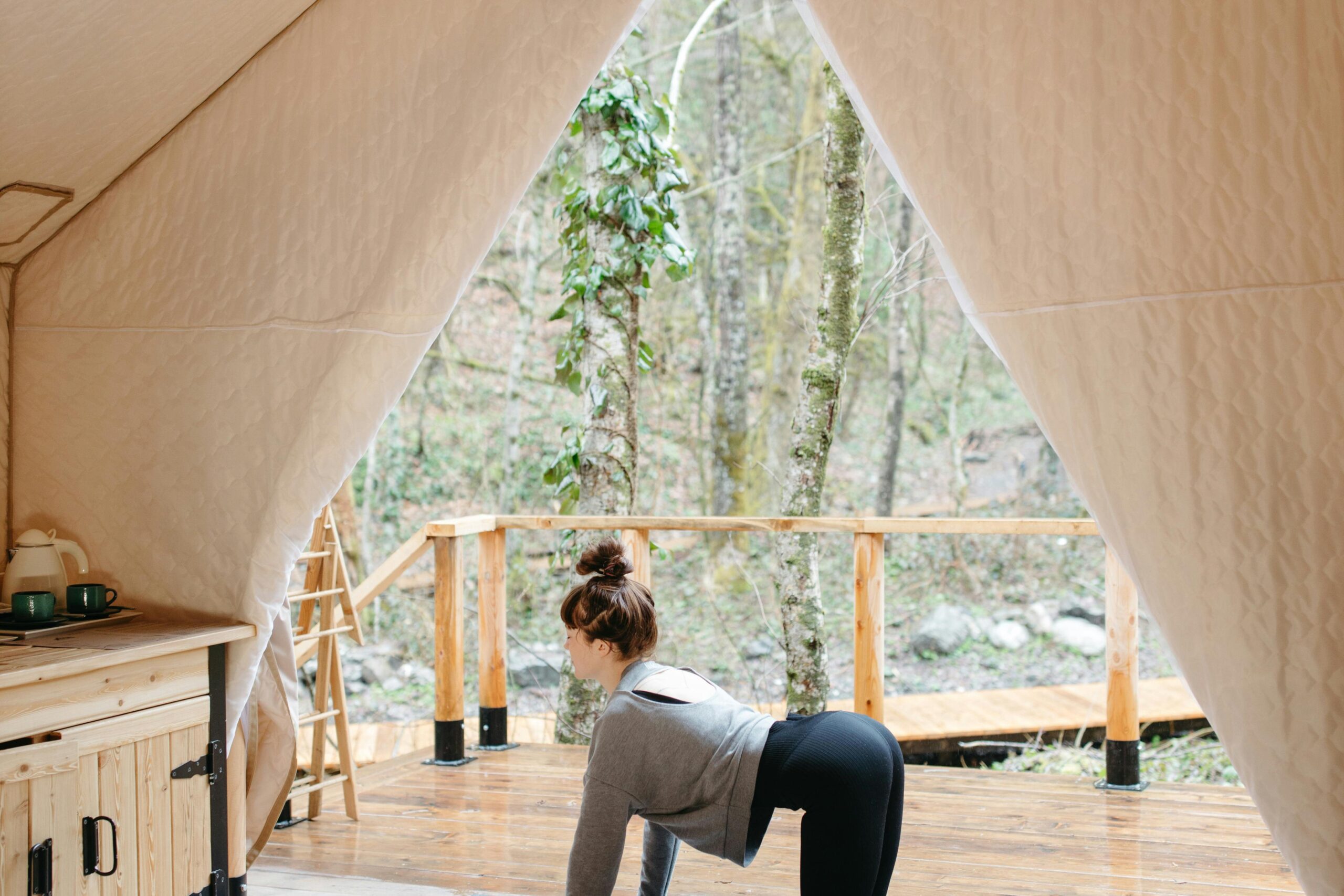
yoga space

1. Choose the Right Location

Finding an appropriate spot in your home is key. Look for a quiet area with enough space to stretch out comfortably. A room with natural light can be uplifting, so consider spaces near windows. Ensure that the floor is not slippery; if needed, use a yoga mat with a non-slip surface to provide stability.

2. Add Comfort Features

Comfort is essential, especially for seniors. Consider using cushions or bolsters to support your body during poses. You might also want to invest in a sturdy chair for seated poses or for those who may need assistance getting up and down from the floor. Additionally, having a blanket nearby can provide warmth and support during relaxation poses.

3. Incorporate Personal Touches

Make the space inviting by personalizing it. Add items that inspire you, like plants, candles, or artwork that brings you joy. Soft, calming colors on the walls can create a peaceful atmosphere. Consider adding a sound system or using a Bluetooth speaker for calming music or guided meditations.

4. Minimize Distractions

To fully immerse yourself in your practice, it’s important to minimize distractions. Keep the area tidy and free of clutter. Turn off mobile devices or put them on silent mode to avoid interruptions. If possible, practice during a time when the household is quiet, so you can focus solely on your yoga.

5. Safety First

Ensure that your space is safe for movement. Remove any obstacles that could lead to tripping or falling. If you’re using props like blocks or straps, have them easily accessible. It’s also wise to have a phone nearby in case of emergencies.

In conclusion, with a little thought and creativity, you can easily set up a comfortable and inviting yoga space at home that caters to the needs of seniors. Creating such a space not only enhances the practice but also encourages consistency, making yoga a delightful part of daily life.

Contacts

+498751029746

-

[email protected]

62A, Sandbacher Weg, Bohnsdorf, Treptow-Köpenick, Berlin

Our Team

James Wilson

James Wilson

Sales Director
Emma Johnson

Emma Johnson

Chief Financial Officer
William Miller

William Miller

HR Director